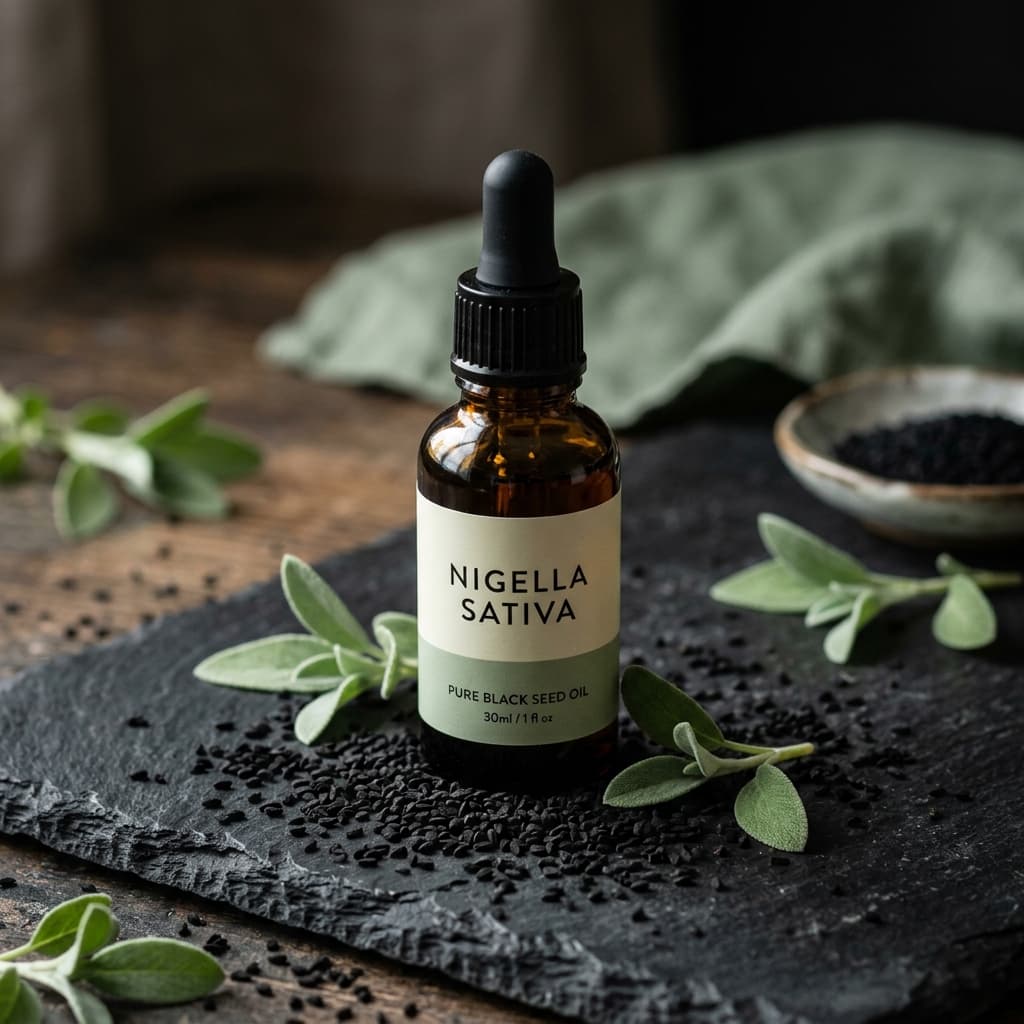
Nigella Sativa, commonly known as Black Seed or Black Cumin, has been utilized as a powerful medicinal plant for over 3,000 years. Found in the tomb of King Tutankhamun and famously described in ancient texts as "a cure for every disease except death," modern scientific literature is finally catching up to this miraculous seed. Its primary active constituent, thymoquinone (TQ), is a potent antioxidant, anti-inflammatory, and immunomodulatory compound.
The Mechanism Behind Weight Loss
In recent years, holistic nutritionists and functional medicine practitioners have highlighted Black Seed Oil's profound ability to aid in metabolic healing and weight loss. But how exactly does a dietary oil help you shed stubborn body fat?
Blood Sugar Regulation
The root cause of weight gain, particularly visceral belly fat, is often insulin resistance. When cells become numb to insulin, the body continuously pumps out more of this fat-storing hormone. Black Seed Oil has been shown to significantly enhance insulin sensitivity. By stabilizing blood glucose spikes after meals, it prevents the severe crashes that lead to sugar cravings, allowing the body to transition from fat-storing mode to fat-burning mode.
Appetite Suppression
Studies indicate that Nigella Sativa exerts an anorexigenic effect—meaning it naturally helps to suppress appetite. The anti-inflammatory compounds in the oil help heal the hypothalamus, the region of the brain responsible for regulating hunger and satiety signals. This leads to a natural reduction in caloric intake without the psychological strain of restrictive dieting.
Immune System Fortification
Beyond metabolic health, Black Seed Oil is a titan of immune support. In an era where autoimmune conditions and immune dysregulation are rampant, Nigella Sativa offers a unique, balancing approach. It does not blindly stimulate the immune system; rather, it modulates it. If the immune system is underactive (leading to frequent infections), thymoquinone boosts the production of natural killer (NK) cells and macrophages. If the immune system is overactive (as seen in autoimmune diseases and severe allergies), it acts to suppress the hyper-inflammatory response.
Respiratory Health and Allergies
For those suffering from asthma, seasonal allergies, or chronic sinusitis, Black Seed Oil is a game-changer. Its potent bronchodilatory properties help relax the muscles in the airways, making breathing easier. The anti-inflammatory effects also significantly reduce the swelling of mucosal membranes in the nasal passages, offering relief that often rivals over-the-counter antihistamines without the drowsy side effects.
How to Use Black Seed Oil
When purchasing Black Seed Oil, quality is paramount. You must seek out 100% pure, cold-pressed oil packaged in dark glass bottles to prevent oxidation. Because of its intense, peppery, and somewhat medicinal taste, many people prefer taking it mixed with a teaspoon of raw, organic honey. The honey not only makes it highly palatable but also acts synergistically to boost its antimicrobial properties.
The standard therapeutic dose is typically one teaspoon daily. For severe immune challenges, practitioners may recommend up to two teaspoons per day. As with any powerful botanical medicine, it is always recommended to start with a smaller dose (like half a teaspoon) to allow your digestive system to acclimate.
Related Reading: Top Immune-Boosting Botanicals
Scientific Reference: Explore peer-reviewed clinical studies and research on this botanical at PubMed Central.
About Sativa Sage Editorial
Our editorial team consists of certified holistic health practitioners, herbalists, and medical writers dedicated to bridging the gap between traditional botanical wisdom and modern scientific research. Every article is rigorously fact-checked against peer-reviewed clinical studies.