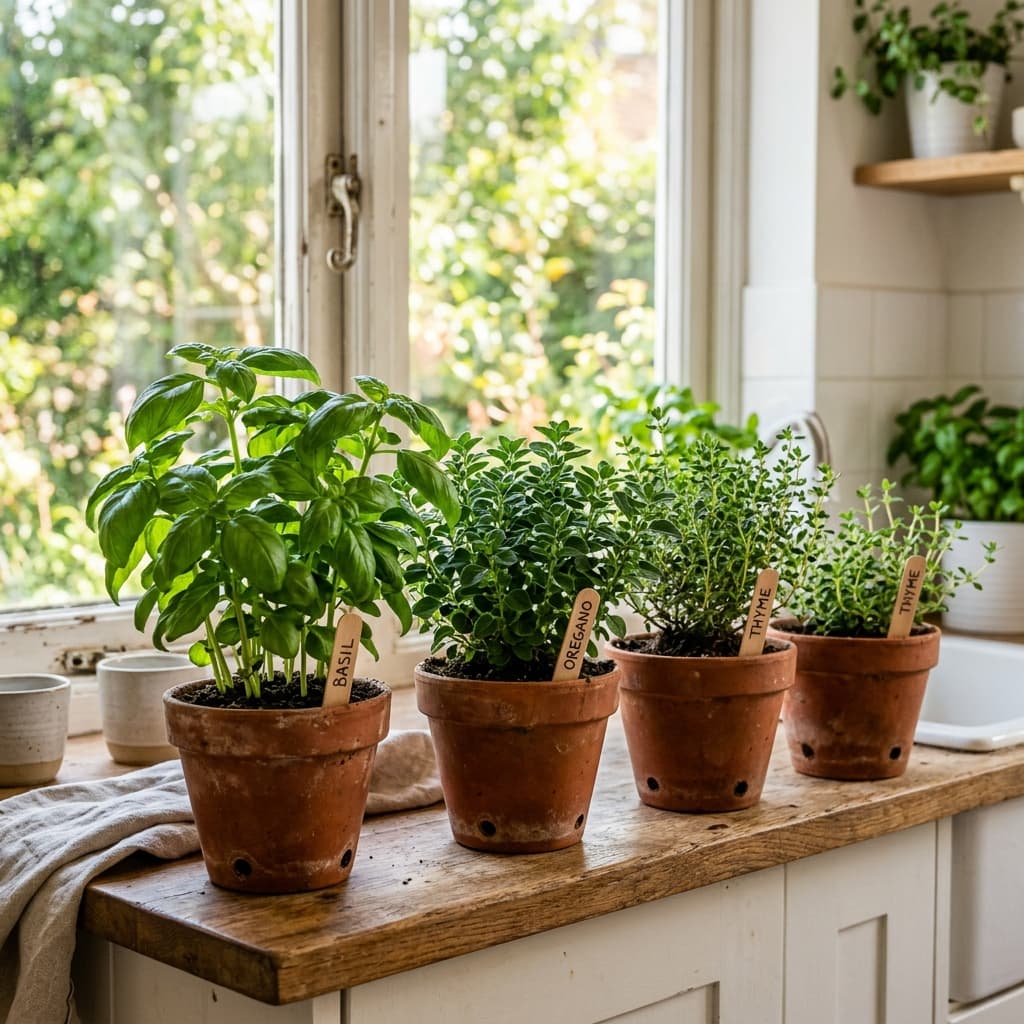
When discussing holistic health and botanical medicine, the conversation naturally gravitates toward exotic roots, rare mushrooms, and potent tinctures. However, we often overlook the most accessible and profound medicine cabinet available to us: the spice rack in our own kitchens. The culinary herbs used daily across traditional global diets are not merely flavor enhancers; they are highly concentrated, potent medicines packed with volatile oils, antioxidants, and anti-inflammatory compounds.
Historically, humans incorporated massive quantities of fresh herbs into their daily meals. This practice provided crucial micronutrients and served as a natural defense against food-borne pathogens. By consciously integrating therapeutic doses of culinary herbs into our modern plant-based nutrition, we can dramatically elevate our baseline health, improve digestion, and reduce systemic inflammation.
1. Oregano (Origanum vulgare)
Oregano is a fierce, uncompromising botanical. It possesses some of the highest antioxidant ratings (ORAC score) of any food source on the planet—significantly higher than blueberries or spinach. Its primary active constituent, carvacrol, is a profound, broad-spectrum antimicrobial agent.
Carvacrol is scientifically proven to break down the cell membranes of antibiotic-resistant bacteria, severe fungal overgrowths (like Candida albicans), and various parasites. While highly concentrated Oregano Oil is used for acute infections, generously seasoning your meals with fresh or dried oregano provides a constant, gentle antimicrobial defense mechanism for your gastrointestinal tract.
2. Rosemary (Rosmarinus officinalis)
Rosemary is famously known as the "herb of remembrance." Beyond its neuroprotective effects on the brain, Rosemary is incredibly vital for liver function and digestion. It is a powerful carminative, meaning it prevents the formation of gas in the gastrointestinal tract. Furthermore, when Rosemary is used as a marinade or dry rub for high-temperature cooking (like grilling), its potent antioxidants, primarily rosmarinic acid, significantly prevent the formation of carcinogenic compounds (HCAs) that occur when proteins are charred.
3. Cilantro (Coriandrum sativum)
Cilantro is highly polarizing—people either love it or detest its soapy flavor (due to a genetic variation in olfactory receptors). However, for those who can consume it, Cilantro is a profound detoxifying agent. It is one of the very few botanical substances clinically shown to mobilize and bind to heavy metals (like mercury, lead, and aluminum) stored deep within human tissues and the central nervous system, safely ushering them out of the body through the excretory systems.
4. Thyme (Thymus vulgaris)
Thyme is exceptionally beneficial for the respiratory system. Its volatile oils, particularly thymol, are highly antimicrobial and antispasmodic. When consumed, these volatile oils are actually excreted through the lungs, making it a highly effective internal expectorant for treating bronchitis, persistent coughs, and upper respiratory tract infections. A simple thyme steam inhalation can rapidly break up deep chest congestion.
Conclusion: The Daily Micro-Dose
Food truly is medicine. The modern Western diet is severely deficient in these vital phytochemicals. By consciously and generously incorporating fresh and dried culinary herbs into your daily cooking—tossing a handful of fresh parsley into a salad, heavily seasoning roasted vegetables with oregano and thyme, or brewing a strong rosemary tea—you not only elevate the flavor profile of your meals but also administer potent botanical medicine to your body every single day.
Related Reading: Oregano Oil: Potent Antibacterial Support
Scientific Reference: Explore peer-reviewed clinical studies and research on this botanical at PubMed Central.
About Sativa Sage Editorial
Our editorial team consists of certified holistic health practitioners, herbalists, and medical writers dedicated to bridging the gap between traditional botanical wisdom and modern scientific research. Every article is rigorously fact-checked against peer-reviewed clinical studies.