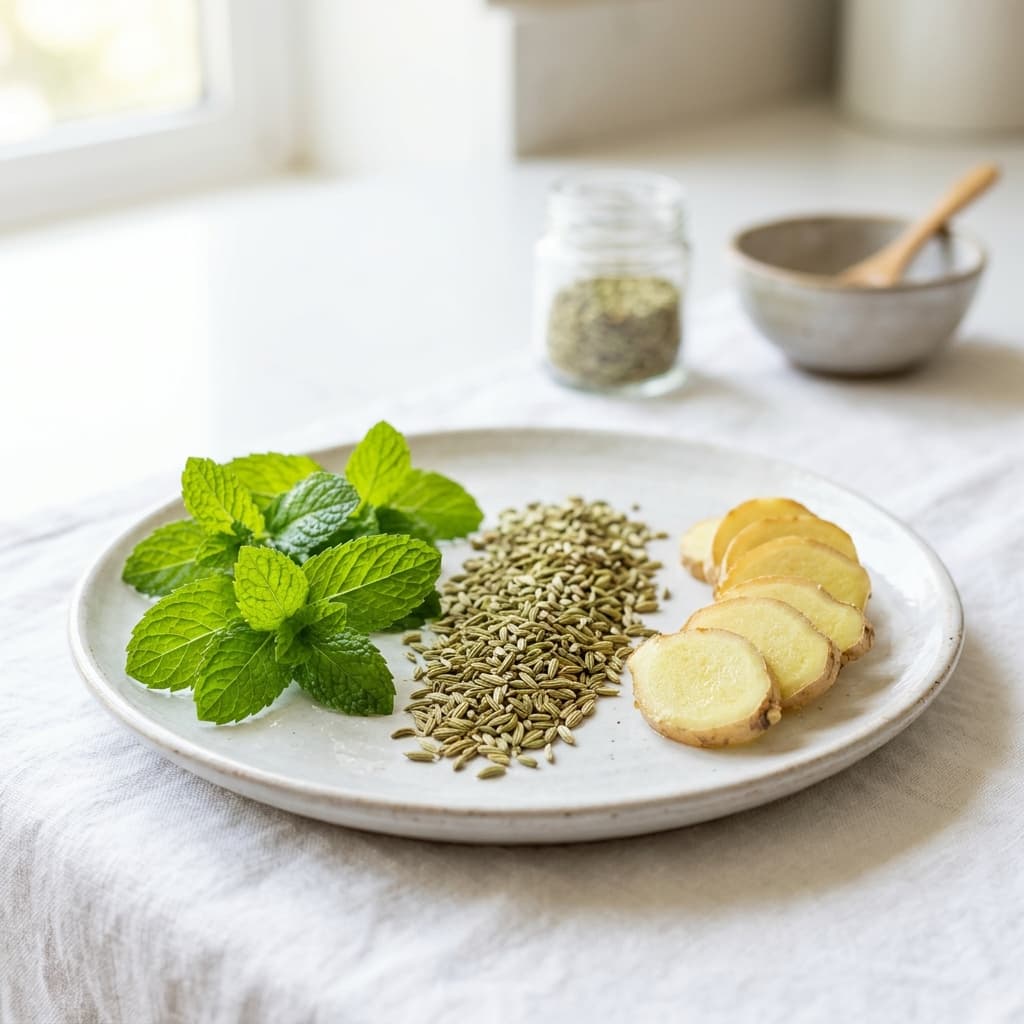
The human gastrointestinal tract is lined with a delicate mucous membrane that acts as a physical barrier against stomach acid, digestive enzymes, and food-borne pathogens. When this barrier is eroded by chronic stress, excessive alcohol, NSAID painkillers, or highly acidic diets, the result is excruciating conditions like GERD (Acid Reflux), severe gastritis, and stomach ulcers. While conventional medicine suppresses stomach acid production via Proton Pump Inhibitors (PPIs)—which can severely impair nutrient absorption long-term—functional herbalism offers a deeply restorative, physical botanical bandage: Slippery Elm Bark (Ulmus rubra).
Understanding the Mechanism of Slippery Elm Bark
The remarkable efficacy of Slippery Elm originates from its dense concentration of unique phytochemicals, specifically high levels of complex, long-chain polysaccharides known universally as mucilage. These naturally occurring compounds interact directly with human physiological pathways, essentially serving as biological "keys" that unlock the body's innate capacity to heal from severe mucosal erosion and chronic esophageal burning.
Slippery Elm is the quintessential "demulcent" herb. Its mechanism of action is incredibly straightforward and intensely physical. When the powdered inner bark of the tree is mixed with water, the complex polysaccharides swell and transform into a thick, slick, gel-like substance. When swallowed, this botanical gel physically coats the entire digestive tract, from the throat down through the esophagus, stomach, and intestines. This provides an immediate, impenetrable barrier against gastric acid, instantly stopping the painful burning of acid reflux. Furthermore, as it travels through the intestines, it stimulates nerve endings in the GI tract to actually increase the body's own natural mucus secretion, promoting long-term structural repair of the gut lining.
- Cellular Modulator: Stimulates nerve endings in the GI tract to significantly increase natural mucin production, rebuilding the protective acid mantle.
- Antioxidant Powerhouse: Protects the delicate, exposed tissue of gastric ulcers from severe oxidative stress and bacterial (H. pylori) infection.
- Systemic Balancer: Acts dynamically to soothe dry, hacking coughs when used as a throat lozenge, coating the inflamed respiratory tract.
Evidence-Based Application for Acid Reflux and Gastritis
Clinical herbalism emphasizes that the method of consumption dictates the medicinal outcome. For targeting GERD and severe Irritable Bowel Syndrome (IBS), integrating Slippery Elm requires specific preparation. While large-scale clinical trials on Slippery Elm are sparse due to its unpatentable nature, it is universally recognized by the FDA as a safe and effective demulcent. In integrative gastroenterology, it is prescribed as a frontline therapy for patients trying to wean off powerful pharmaceutical antacids, as it prevents the severe "acid rebound" effect that occurs when stopping those medications.

Optimal Dosage and Preparation Guidelines
Botanical interventions for mucosal repair are highly tactile. You must prepare Slippery Elm correctly to activate the mucilage. Practitioners recommend mixing 1 to 2 tablespoons of high-quality, fine Slippery Elm powder into a cup of warm (not boiling) water. Whisk it vigorously until it forms a thick gruel or porridge. For severe acid reflux, this should be consumed slowly on an empty stomach, typically 30 minutes before meals, to ensure the stomach lining is fully coated before the introduction of food and digestive acids.
"Nature does not hurry, yet everything is accomplished. Healing with botanicals is a process of deep, structural restoration rather than a temporary masking of symptoms." - Sativa Sage Editorial
Safety and Drug Absorption Warnings
Purity matters entirely. Because of the devastating effects of Dutch Elm Disease, the Slippery Elm tree is severely threatened in the wild. You must only purchase from suppliers who guarantee ethical, sustainable harvesting of the inner bark to protect the species. Because Slippery Elm creates a thick physical barrier inside the stomach, it will aggressively block the absorption of pharmaceutical drugs. You must absolutely take Slippery Elm at least 2 hours apart from any life-saving prescription medications to ensure they are absorbed properly into your bloodstream.
Related Reading: Aloe Vera Juice for Gut Healing
Scientific Reference: Explore peer-reviewed clinical studies and research on this botanical at PubMed Central.
About Sativa Sage Editorial
Our editorial team consists of certified holistic health practitioners, herbalists, and medical writers dedicated to bridging the gap between traditional botanical wisdom and modern scientific research. Every article is rigorously fact-checked against peer-reviewed clinical studies.