The gut microbiome is the command center of human health. It houses 70% of our immune system, produces 90% of our serotonin, and is responsible for assimilating every nutrient we consume. When the delicate mucosal lining of the gastrointestinal tract becomes compromised—a condition commonly known as "leaky gut" (intestinal permeability)—undigested food particles and endotoxins leak into the bloodstream. This triggers a cascade of systemic inflammation, food allergies, and autoimmune responses.
Modern diets filled with ultra-processed foods, chronic stress, NSAID usage, and broad-spectrum antibiotics are the primary culprits behind gut barrier degradation. While eliminating these triggers is the critical first step, the botanical kingdom offers powerful demulcent and vulnerary herbs designed specifically to soothe, coat, and repair inflamed gastrointestinal tissue.
1. Slippery Elm Bark (Ulmus rubra)
Slippery Elm is a profound demulcent herb. The inner bark of this tree contains high levels of mucilage—a complex polysaccharide that becomes a slick gel when mixed with water. When consumed, this gel coats the entire digestive tract, from the esophagus down to the colon. It acts as an internal, botanical bandage.
For individuals suffering from severe acid reflux, gastritis, or Irritable Bowel Syndrome (IBS), Slippery Elm provides immediate soothing relief. Furthermore, it stimulates nerve endings in the gastrointestinal tract to increase natural mucus secretion, which actively protects the gut wall against excess stomach acid and ulceration. For best results, the powder should be mixed into warm water and consumed on an empty stomach.
2. Marshmallow Root (Althaea officinalis)
Not to be confused with the sugary campfire treat, Marshmallow Root is one of the oldest recorded healing plants, revered by ancient Egyptians and Greeks. Like Slippery Elm, it is intensely mucilaginous. However, Marshmallow Root is particularly famous for its cooling properties, making it the perfect remedy for "hot," inflamed conditions like Crohn's disease, ulcerative colitis, and chronic diarrhea.
Beyond its physical coating mechanism, research indicates that Marshmallow Root actively promotes epithelial cell regeneration. It helps physically close the tight junctions between intestinal cells, reversing the core mechanism of "leaky gut" syndrome. A cold infusion of Marshmallow Root (steeped overnight in cold water) produces a thick, highly therapeutic liquid that coats the stomach lining beautifully.
3. Licorice Root (Glycyrrhiza glabra)
Licorice is an incredibly versatile botanical. However, for gut healing, we specifically look at Deglycyrrhizinated Licorice (DGL). The glycyrrhizin compound in whole licorice can raise blood pressure if consumed in large amounts, so DGL extracts have this compound removed, making it completely safe for long-term daily use.
DGL is famous for its ability to increase the production of mucin, the primary component of the stomach's protective lining. It also exhibits potent antibacterial properties against Helicobacter pylori (H. pylori), the bacteria responsible for the vast majority of stomach ulcers. Taking a chewable DGL tablet 20 minutes before meals significantly reduces symptoms of indigestion and heartburn.
4. Peppermint (Mentha x piperita)
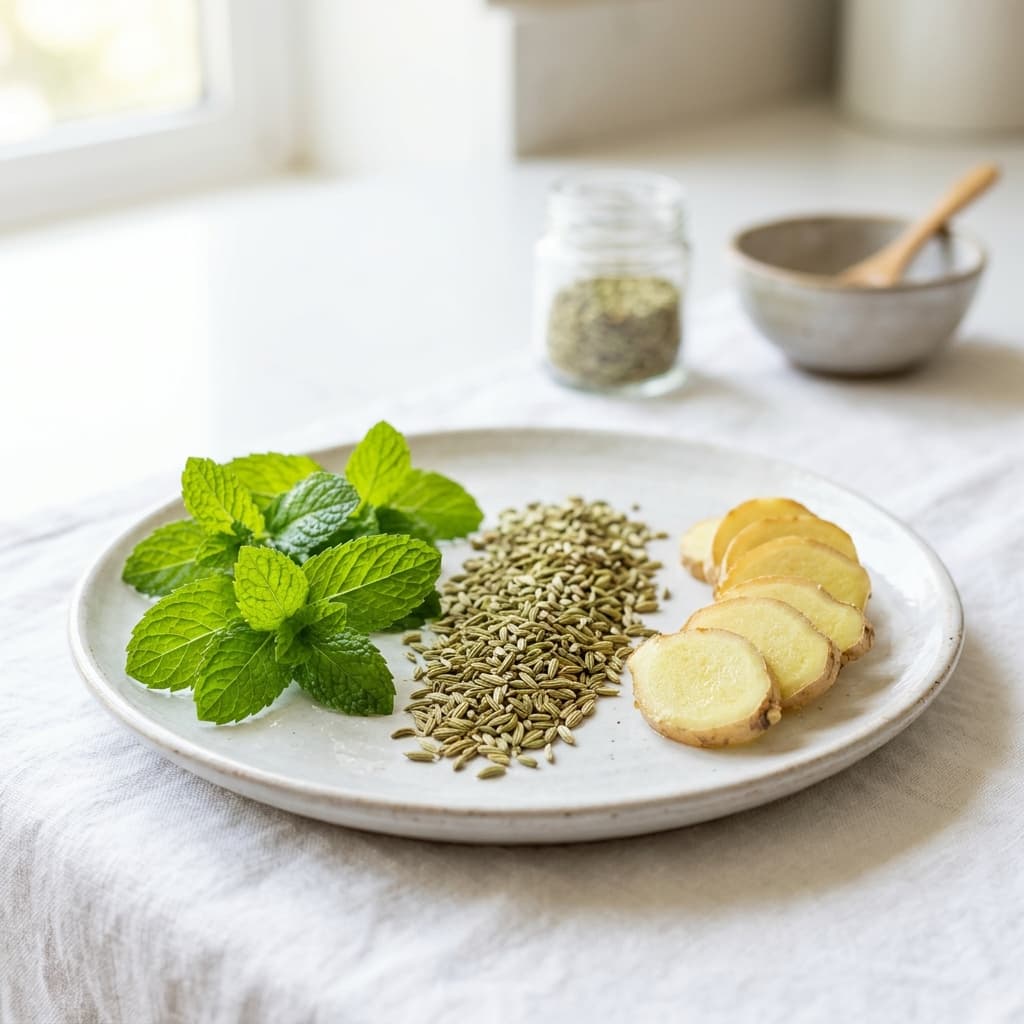
While demulcents coat the gut, carminative herbs like Peppermint work to relax the smooth muscles of the intestines. Peppermint oil is scientifically proven to relieve severe bloating, gas, and intestinal cramping associated with IBS. It achieves this by blocking calcium channels in the intestinal smooth muscle, preventing the intense, painful spasms that characterize IBS flare-ups.
Healing Takes Time
Healing the gut is not an overnight process. The cells lining the intestinal wall regenerate every 3 to 5 days, but deep structural repair can take months. Consistently incorporating these profound botanical medicines—alongside a diet rich in bone broth and fermented foods—will systematically rebuild your digestive integrity.
Related Reading: Aloe Vera Juice for Gut Healing
Scientific Reference: Explore peer-reviewed clinical studies and research on this botanical at PubMed Central.
About Sativa Sage Editorial
Our editorial team consists of certified holistic health practitioners, herbalists, and medical writers dedicated to bridging the gap between traditional botanical wisdom and modern scientific research. Every article is rigorously fact-checked against peer-reviewed clinical studies.