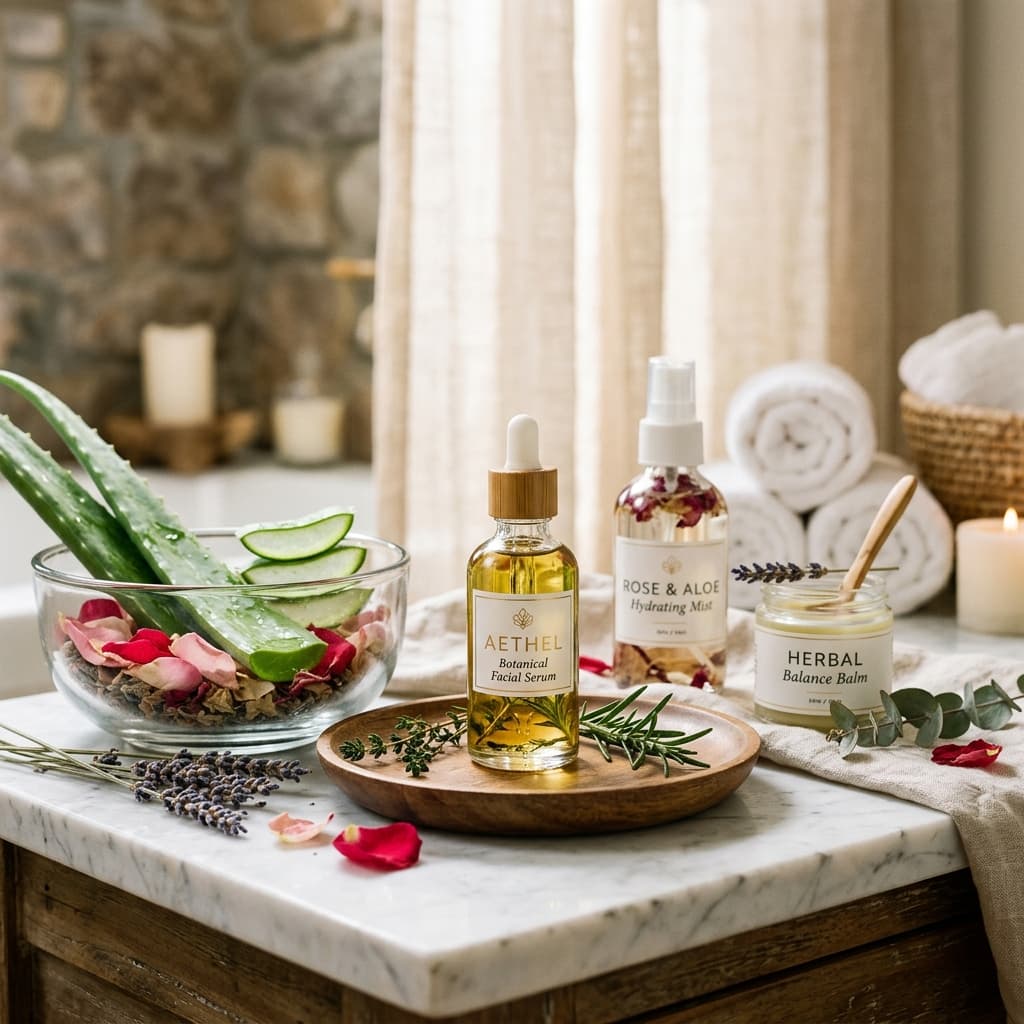
The skin is an outward reflection of our internal vitality, but it is also our first line of physical defense against the outside world. Cuts, scrapes, severe sunburns, and inflammatory conditions like eczema and cystic acne compromise this vital barrier, leaving the body vulnerable to infection and chronic scarring. For centuries, herbalists have relied on a radiant, golden flower to rapidly accelerate tissue repair and quell topical inflammation: Calendula (Calendula officinalis).
Understanding the Mechanism of Calendula
The remarkable efficacy of Calendula originates from its dense concentration of unique phytochemicals, specifically high levels of triterpenoids, flavonoids, and calendulin. These naturally occurring compounds interact directly with human physiological pathways, essentially serving as biological "keys" that unlock the body's innate capacity to heal from severe cutaneous damage and persistent bacterial colonization.
Calendula is fundamentally a vulnerary (wound-healing) herb. Its primary mechanism of action is its profound ability to stimulate angiogenesis—the creation of new blood vessels. When applied to a wound or a severe acne lesion, Calendula actively draws massive amounts of oxygen-rich blood to the area, which drastically accelerates the proliferation of fibroblasts. Fibroblasts are the cells responsible for spinning new collagen fibers to knit broken skin back together. Furthermore, its potent antimicrobial properties prevent secondary infections from forming within open wounds.
- Cellular Modulator: Regulates cellular communication to significantly accelerate the production of new collagen and epithelial tissue.
- Antioxidant Powerhouse: Protects delicate newly formed skin cells from oxidative stress and UV radiation damage.
- Systemic Balancer: Acts dynamically to stimulate the lymphatic system when taken internally, clearing cellular waste from the skin.
Evidence-Based Application for Skin Inflammation
Clinical herbalism emphasizes that the method of application dictates the medicinal outcome. For targeting acute skin trauma or chronic eczema, integrating Calendula into your routine requires high-quality topical formulations. In a notable clinical trial involving breast cancer patients undergoing severe radiation therapy, those who applied a Calendula-based ointment experienced a statistically significant reduction in radiation-induced dermatitis (severe skin burning) compared to those using standard pharmaceutical creams.

Optimal Dosage and Application Guidelines
Unlike internal botanical interventions, topical Calendula acts rapidly to soothe pain and redness. For acute cuts, scrapes, or severe diaper rash in infants, a thick Calendula salve (extracted in olive oil and beeswax) should be applied directly to the affected area 3 to 4 times daily. For widespread inflammatory conditions like eczema or severe acne, a concentrated Calendula hydrosol (floral water) or diluted tincture can be used as a daily anti-inflammatory facial toner to repair the compromised acid mantle.
"Nature does not hurry, yet everything is accomplished. Healing with botanicals is a process of deep, structural restoration rather than a temporary masking of symptoms." - Sativa Sage Editorial
Safety and Contraindications
Purity matters. Always ensure that your supply of Calendula is certified organic, as pesticides applied to flowers will be concentrated during the extraction process. Calendula is exceptionally safe and gentle, making it the primary botanical used in high-end infant care products. However, because it is a member of the Asteraceae (daisy) family, individuals with severe, anaphylactic allergies to ragweed or chrysanthemums should perform a small patch test on their inner wrist before applying it broadly to inflamed skin.
Related Reading: Botanical Skincare for Radiant Skin
Scientific Reference: Explore peer-reviewed clinical studies and research on this botanical at PubMed Central.
About Sativa Sage Editorial
Our editorial team consists of certified holistic health practitioners, herbalists, and medical writers dedicated to bridging the gap between traditional botanical wisdom and modern scientific research. Every article is rigorously fact-checked against peer-reviewed clinical studies.